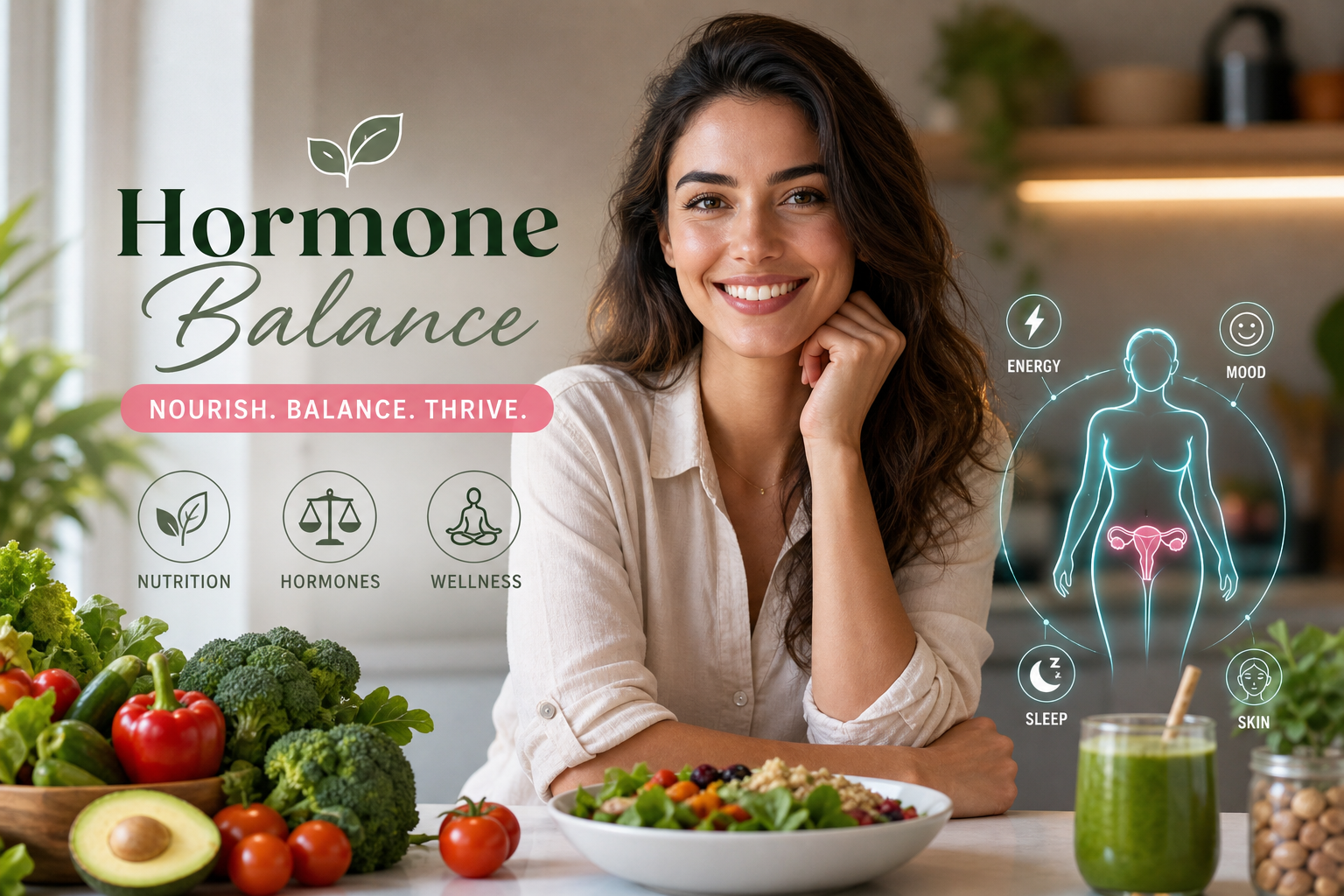
What is the best diet for women with hormonal imbalance? It’s a question worth asking seriously, because the answer isn’t “eat cleaner” or “cut carbs.” You’re eating salads, skipping dessert, drinking your water, and still watching the scale creep up. Or your cycle is unpredictable. Or the mood swings hit harder than they should. You’re doing everything right, and your body isn’t responding. That’s not a willpower problem. That’s a hormone problem.
Hormonal imbalances are common among women, and the conditions they drive, including PCOS, hypothyroidism, estrogen dominance, and perimenopause, can all be meaningfully influenced by what you eat. Not in a vague “eat cleaner” way, but through specific nutrients, food patterns, and blood sugar rhythms that either support or sabotage your hormones every single day. Diet doesn’t work alone; genetics, environment, and stress all play a role. But food is one of the most consistent levers you actually control.
Most women receive the same generic advice regardless of their hormonal profile, which is exactly why it rarely works. This article gives you something more targeted: the nutrients your hormones depend on, 25 evidence-backed foods to build your meals around, a 4-week meal plan, and the patterns worth cutting. If you’ve been eating well without results, this is where the gap closes.
Why food is one of the most powerful levers for hormonal health
Every hormone your body produces, from insulin to estrogen to thyroid hormones, depends on nutrients to be synthesized, transported through the bloodstream, and properly cleared once its job is done. When your diet is missing the raw materials, or actively working against the process, hormone levels drift out of range and symptoms follow.
The central mechanism worth understanding is blood sugar and insulin. When you eat high-glycemic foods, glucose spikes quickly, and your pancreas releases a surge of insulin to manage it. Do that repeatedly over months and years, and insulin stays elevated. Chronically high insulin stimulates androgen production in the ovaries, directly disrupting estrogen and progesterone balance. For women with PCOS, research consistently identifies this insulin-androgen relationship as a core driver of irregular cycles, acne, and weight gain around the midsection.
Each hormonal condition has its own dietary pressure point, which is why condition-specific guidance matters. PCOS responds strongly to low-glycemic eating. Hypothyroidism requires specific micronutrients like selenium and iodine for thyroid hormone synthesis. Estrogen dominance benefits from fiber-rich foods that clear excess estrogen through the gut. Perimenopause calls for a Mediterranean-style, nutrient-dense pattern that supports bone health, cardiovascular function, and symptom management simultaneously.
What is the best diet for women with hormonal imbalance? Start with these nutrients
Before focusing on specific foods, it helps to understand which nutrients do the heavy lifting for hormonal regulation. Six come up consistently in clinical nutrition literature on hormonal health: selenium, iodine, zinc, omega-3 fatty acids, fiber, and magnesium.
Selenium, iodine, and zinc for thyroid and reproductive health
Iodine is essential for thyroid hormone synthesis. Without adequate iodine, your thyroid cannot produce T3 and T4, which regulate metabolism, energy, and body temperature. Selenium acts as an antioxidant shield for thyroid tissue, protecting it from oxidative damage during hormone production. The standard recommended daily intake for selenium is 55 mcg per day for adult women, with research on Hashimoto’s thyroiditis using therapeutic doses between 80 and 200 mcg. Zinc is involved in reproductive hormone metabolism, including testosterone clearance, progesterone production, and cycle regularity. Some observational data link consistently low zinc intake to menstrual irregularities and worsening PMS, though targeted supplementation should be guided by a clinician. For practical guidance on common dietary iodine sources, see this guide to iodine-rich foods.
Omega-3s and fiber for estrogen and androgen balance
Omega-3 fatty acids carry the strongest direct evidence for hormonal impact. In a randomized controlled trial of overweight women with PCOS, 3 grams of omega-3 daily for 8 weeks lowered testosterone and increased the share of women with regular menstruation to 47.2%, compared to 22.9% in the placebo group. That randomized trial is reported in the clinical literature and is useful if you’re reviewing the specific trial details: a randomized trial of omega‑3 supplements in PCOS. The mechanism involves reduced LH signaling, improved insulin sensitivity, and a shift in inflammatory fatty acid balance.
Fiber works differently but is equally important. It binds estrogen in the gut, reduces reabsorption via the enterohepatic pathway, and promotes excretion in stool. Research shows that each additional 5 grams of fiber per day is associated with a meaningful decrease in circulating estradiol. Several reviews and studies examine this relationship in detail; see this research article on fiber and estrogen metabolism and a practical discussion of the link between fiber and estrogen regulation in perimenopause. For women with estrogen dominance, this makes fiber one of the most actionable dietary levers available.
Diet for hormonal imbalance: the macro ratio that supports regulation
A workable starting framework supported by the research is 45 to 55% of calories from carbohydrates, 20 to 30% from protein, and 25 to 35% from fat. This is a guide, not a rigid prescription. Very low-carb diets often backfire for women with fertility goals or hypothalamic-related imbalances because adequate carbohydrate is needed to support the hormonal signaling that drives ovulation. Cutting carbs too aggressively can suppress the hypothalamic-pituitary-ovarian axis, worsening the very problem you’re trying to solve.
25 hormone-friendly foods worth building your meals around
The goal here isn’t a rigid food list. It’s a realistic inventory of ingredients that appear consistently across hormone-supportive meal research, organized by the hormonal benefit they deliver.
Proteins and healthy fats that stabilize hormones
Protein at every meal is non-negotiable for blood sugar stability. It slows glucose absorption, supports hormone synthesis, and keeps insulin from spiking after meals. Research on satiety and glycemic control supports targeting roughly 25 to 30 grams of protein per meal. The best choices include:
- Salmon and sardines (omega-3s plus protein)
- Eggs (zinc, selenium, iodine, B vitamins)
- Chicken breast (lean protein, zinc)
- Lentils (plant protein, fiber, folate, iron)
- Greek yogurt and kefir (protein, calcium, gut-supporting probiotics)
- Avocado and olive oil (anti-inflammatory monounsaturated fats)
- Walnuts and chia seeds (plant-based omega-3s)
Cruciferous vegetables and phytoestrogen-rich plants
Cruciferous vegetables contain indole-3-carbinol, a compound that supports estrogen metabolism by shifting the balance toward less potent estrogen metabolites. This makes broccoli, cauliflower, Brussels sprouts, and kale especially useful for estrogen dominance and cycle regulation. Flaxseed, edamame, and chickpeas are rich in phytoestrogens, plant compounds that modulate estrogen receptors rather than simply mimicking estrogen. They tend to have a balancing effect, occupying estrogen receptors with weaker activity when estrogen is high, and providing mild estrogenic support when it’s low. This makes them particularly relevant during perimenopause.
Seeds, fermented foods, and micronutrient powerhouses
A few foods deliver outsized micronutrient value for hormonal health. Pumpkin seeds are one of the best food sources of zinc. Brazil nuts provide selenium, with just two or three covering your daily requirement. Seaweed and dairy both supply iodine, though seaweed content varies significantly by species and preparation, moderate, occasional use is reasonable, but relying on it daily risks excessive intake. Dairy remains a more consistent source. Kefir and Greek yogurt feed the gut microbiome, which plays a direct role in estrogen metabolism through a collection of bacteria called the estrobolome. A healthy gut processes and excretes excess estrogen efficiently; a disrupted gut recirculates it.
Foods and habits that actively worsen hormonal symptoms
The strongest evidence points to patterns rather than individual foods. That said, certain patterns consistently aggravate hormonal symptoms across PCOS, estrogen dominance, and perimenopause.
Refined sugar, ultra-processed foods, and why they hit harder with hormonal imbalance
Refined sugars and high-glycemic carbs drive the glucose-insulin cycle described earlier, directly stimulating androgen production and destabilizing progesterone and estrogen balance. The common offenders are sodas, sweetened yogurts, packaged snack foods, white bread, and cereals with added sugar. Ultra-processed foods also tend to carry synthetic additives; separately, certain food packaging materials have been identified in research as sources of endocrine-disrupting chemicals such as BPA and phthalates, though the primary concern with ultra-processed eating remains its inflammatory and glycemic load. For women already managing a hormonal imbalance, that combined burden amplifies symptoms rather than simply maintaining them.
Alcohol, caffeine, and inflammatory fats
Alcohol directly impairs the liver’s ability to metabolize and clear estrogen, which is why higher alcohol intake is associated with worse symptoms of estrogen dominance and more severe hot flashes during perimenopause. Even moderate regular consumption is worth examining when hormonal symptoms are prominent. Caffeine may worsen PMS, disrupt sleep quality, and elevate cortisol, women who are slow caffeine metabolizers tend to be more sensitive to these effects. Diets high in industrial trans fats and fried ultra-processed foods drive systemic inflammation, which compounds insulin resistance and further disrupts sex hormone balance. Reducing these patterns, rather than eliminating every imperfect food, is both more realistic and more effective long-term.
A 4-week hormone-balancing meal plan
The structure of every hormone-supportive meal follows the same template: one quarter protein, one quarter carbohydrate, one half vegetables, plus a small portion of healthy fat. That plate model keeps blood sugar stable, delivers the fiber and micronutrients your hormones need, and avoids the glucose spikes that trigger the androgen cascade.
How to structure every meal for hormonal support
A sample day using this structure looks like this. Breakfast: Greek yogurt with berries, chia seeds, and walnuts. Lunch: quinoa bowl with roasted chicken, broccoli, cucumber, and olive oil. Dinner: baked salmon with sweet potato and green beans. Snacks: apple with almond butter, or carrots with hummus. Each meal provides protein to anchor blood sugar, fiber to support estrogen clearance, and fat to support hormone synthesis. This pattern stays consistent across all four weeks; what rotates is the specific vegetables based on a cycle-phase framework.
Week-by-week phase focus and food rotations
The four-week structure is built around seasonal and cycle-phase produce rotations:
- Week 1 (follicular phase): Broccoli, zucchini, and carrots to support rising estrogen with indole-3-carbinol and fiber.
- Week 2 (ovulatory phase): Asparagus, Brussels sprouts, and spinach for antioxidant and mineral density at peak estrogen.
- Week 3 (luteal phase): Sweet potato, cauliflower, and squash to support progesterone with complex carbs and magnesium.
- Week 4 (menstrual phase): Kale, beets, and mushrooms for iron replenishment and anti-inflammatory support.
Women who track their cycles often find this alignment useful. It’s entirely optional, the core meal structure works regardless.
Calorie and portion targets by goal
Calorie ranges vary by goal and activity level. For weight loss at moderate activity, a range of 1,400 to 1,700 calories per day is a reasonable starting point. Maintenance typically falls between 1,800 and 2,200 calories. If fertility support is the goal, avoid restriction entirely, inadequate calorie and carbohydrate intake can suppress the hypothalamic-pituitary-ovarian axis, disrupting the hormonal signaling needed for ovulation. If weight loss stalls, reduce refined carb portions at one meal and replace them with non-starchy vegetables. If energy drops during higher-activity weeks, add a carb serving at breakfast or around training. For PCOS, thyroid disorders, or hypothalamic amenorrhea, working with a clinician to individualize these targets is the safer and more effective route.
Why a personalized approach works better than any generic plan
The research makes something clear: the right nutritional strategy for hormonal imbalance depends on the specific condition, not just a general commitment to eating well. A woman managing PCOS-driven insulin resistance needs a low-glycemic, androgen-lowering protocol with specific omega-3 emphasis. A woman with subclinical hypothyroidism needs adequate selenium and iodine prioritization that a standard Mediterranean template doesn’t address by default. A woman in perimenopause needs phytoestrogens, calcium, and vitamin D at levels that differ entirely from what an ovulatory woman in her thirties requires.
When one-size-fits-all nutrition falls short
Generic clean-eating advice fails because it treats all women as hormonally identical. The same high-fiber Mediterranean pattern that benefits a perimenopausal woman may not adequately address the insulin resistance driving PCOS symptoms in a younger woman. Macro ratios that support one condition can actively work against another. Without knowing your hormonal profile, you’re optimizing for a body that isn’t yours.
How Activrr tailors nutrition to your hormonal profile
This is the gap that Activrr was built to close. Rather than handing you a standard meal plan, Activrr provides condition-specific nutrition guidance structured around your hormonal picture, whether that’s thyroid-related, PCOS-driven, or cycle-focused. The platform takes the guesswork out of macro targets, food priorities, and condition-specific nutrient needs, so you’re not starting from scratch every time your situation shifts. For women who’ve been eating well and still not moving the needle, that level of specificity makes a real difference.
So what is the best diet for women with hormonal imbalance? It’s not a single plan, it’s targeted nutrition matched to your specific hormonal conditions. Hormonal health responds to consistent, focused eating: the right nutrients, the right food patterns, and fewer of the habits that keep hormones dysregulated. The nutrients, foods, and patterns covered here give you a real starting point. Diet is a powerful lever, not the only one, but it’s often the most accessible one.
Start with one change: build your next meal around a protein source, a fiber-rich vegetable, and a healthy fat. That single habit, repeated consistently, begins shifting the blood sugar and insulin environment that underlies most hormonal symptoms. When you’re ready to move beyond the basics and get guidance calibrated to your specific hormonal picture, Activrr is built for exactly that.